
Top Roofing Sheet Materials for Modern Indian Homes
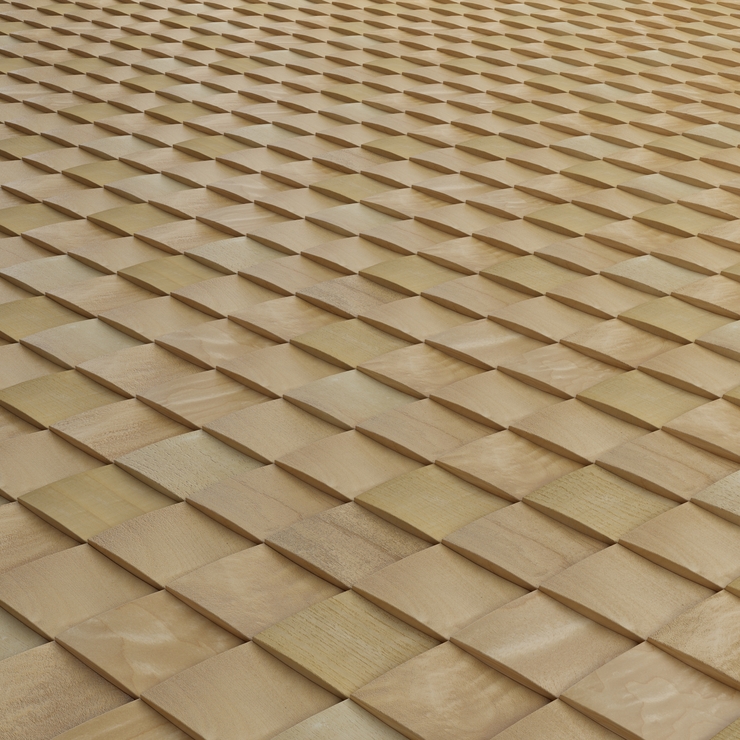
A good roof does more than keep rain out—it adds thermal comfort, looks, and long-term value. With newer materials and finishes, modern roofing solutions in India now give homeowners better insulation, colour stability, and corrosion resistance at sensible budgets. This guide covers the types of roofing sheets in India, key selection factors, and a side-by-side price snapshot so you can quickly shortlist the best roofing sheets in India for your project. We also include region-wise picks, upkeep tips, and short FAQs. Throughout, we blend real-world considerations like roofing sheet price per sq. ft. with practical pros/cons so you can make a faster decision.
Best roofing sheets in India depend on climate, budget, and looks. For coastal homes, aluminium lasts longer. For design plus durability, premium colour-coated steel excels. Add skylights with polycarbonate. Always compare gauge, paint system, warranties, and installation quality before ordering.
Roofing sheet materials for homes include galvanised steel, aluminium, colour-coated steel, polycarbonate, FRP, and fibre cement. Mix and match: metal for strength, polycarbonate for daylight, fibre cement for quieter rain. Choose by climate, structure load, aesthetics, and verified local quotations.
Types of roofing sheets in India range from GI and aluminium to colour-coated profiles, Steel Roofing, FRP, polycarbonate, and fibre cement. Pick reflective finishes for heat, anti-corrosion grades near the sea, and deeper corrugations for heavy rain. Confirm accessories, fasteners, and warranties.
Modern roofing solutions India combine colour-coated metal roofs with skylight strips, heat-reflective paints, ridge ventilation, and leak-proof flashings. Multiwall polycarbonate brightens sit-outs. Aluminium suits salty air. Ask for engineered fixing layouts, branded screws, and quotes covering gutters, closures, and sealants.
Metal roofing sheets offer strength, quick installation, and profiles. Colour-coated steel gives long paint life; aluminium resists corrosion. Choose proper gauge, PVDF or SMP coatings, and EPDM-washer fasteners. Add insulation or radiant barriers to cut heat and improve interior comfort.
Polycarbonate roofing brings daylight without glare when you choose UV-coated, multiwall panels. Use solid sheets for high-impact zones. Ensure proper slope, aluminium profiles, and thermal expansion gaps. Pair with metal roofs for airy patios, carports, and walkways across Indian climates.
Corrugated sheets for houses remain budget-friendly and strong. Today’s versions use better coatings, tighter side laps, and branded fasteners for leak resistance. Consider tile-profile or standing-seam aesthetics if styling matters. Combine with FRP or polycarbonate strips for natural daylight indoors.
colouron roofing sheet options from reputed brands deliver colour stability, corrosion protection, and modern profiles. Check gauge, metallic coating, and paint system (SMP/PVDF). Verify ISI markings and warranties. Request essential accessories—ridge, valleys, drip edges, closures—for a neat, weather-tight residential installation.
Roofing sheet price per sq. ft. varies by material, thickness, and paint. Expect lower costs for basic GI, mid-range for colour-coated steel, and premium for PVDF or aluminium. Polycarbonate and FRP span wide bands. Always collect itemized, city-specific quotations first.
-
Factors to Consider Before Choosing Roofing Sheets
Weather & climate: In humid/coastal belts, pick high-zinc/ aluminium coatings and superior paint systems to combat rust. In hot/dry zones, reflective coatings reduce heat gain. Rain-heavy areas need firm profiles and leak-proof accessories.
Cost & maintenance: Balance upfront cost with repainting, cleaning, or accessory needs (flashing, gutters, sealants). Materials with more extended paint warranties or corrosion protection can pay off over time.
Lifespan & durability: Check base metal (steel/ aluminium), coating type (zinc/aluzinc), paint system (polyester, SMP, PVDF), and sheet thickness (gauge). Polycarbonate/FRP are resilient for skylights but needs UV protection. Fibre cement resists rot and pests.
Aesthetic appeal: Profiles (corrugated, trapezoidal, tile-profile) and colour choices affect curb appeal. Metal roofing sheets with colour-coated finishes offer modern looks with strength.
Ease of installation: Lighter sheets reduce structural load and speed up installs. Ensure compatible screws, ridge/valley accessories, and waterproof detailing.
Use these to filter the roofing sheet materials for homes that fit your climate, budget, and design goals.
III. Top Roofing Sheet Materials (features • pros • cons • best use)
1) Galvanized Steel Sheets
Features: Steel base with zinc coating; widely available in corrugated/trapezoidal profiles.
Pros: Strong, economical, easy to source; good wind/rain performance.
Cons: Susceptible to corrosion in coastal/salty air if coating/paint is basic; can get hot without reflective paint.
Best use: Budget roofs, sheds, parking, utility areas; residential roofs in non-coastal zones.
2) Aluminum Roofing Sheets
Features: Lightweight, naturally corrosion-resistant metal; suitable for long spans with less structural load.
Pros: Excellent for coastal/humid climates; heat-reflective finishes available; low maintenance.
Cons: Higher upfront cost than GI; greater thermal expansion—needs correct fasteners/detailing.
Best use: Coastal homes, sea-facing villas, lightweight structures, pergolas.
3) Colour-Coated Metal Sheets (incl. JSW Colouron+)
Features: Steel or aluminium sheets with factory paint systems (polyester/SMP/PVDF). Branded options like JSW colouron roofing sheet (Colouron+) offer premium paint and corrosion protection.
Pros: Modern colours, long paint life, better heat reflectivity, strong yet light, great aesthetics.
Cons: Price varies by brand/gauge/paint; cheap coatings fade sooner.
Best use: Residential roofs seeking durability + design; terraces, carports, gazebos.
4) Polycarbonate Sheets (Solid & Multiwall)
Features: Transparent/translucent thermoplastic; solid, embossed, or multiwall (air gaps increase insulation).
Pros: High light transmission; excellent for skylights, patios, greenhouses; multiwall reduces heat/glare; impact-resistant.
Cons: Needs UV-coated grade to resist yellowing; expands with heat; not ideal as a full roof in cyclonic zones without proper framing.
Best use: Skylights, atriums, sit-outs, canopy extensions where daylighting is desired.
5) Fibreglass Reinforced Plastic (FRP) Sheets
Features: Translucent/opaque sheets with glass-fibre reinforcement in resin matrix; profile can match metal sheets.
Pros: Offers good light diffusion and corrosion resistance, serves as a budget-friendly daylighting alternative, and allows for custom colours/textures.
Cons: Lower impact resistance than solid polycarbonate; can chalk over time without UV top-coats; needs careful fixing to avoid cracks.
Best use: Skylight strips between metal sheets, utility roofs, semi-open spaces.
6) Fibre Cement Sheets (Asbestos-Free)
Features: Cement-cellulose composite, moulded into corrugated profiles; asbestos-free modern variants.
Pros: Rot/termite-resistant; good acoustic dampening; cooler feel than bare metal; low maintenance.
Cons: Heavier; needs sturdy framing; impact can crack if mishandled; colour options limited (unless painted).
Best use: Value-driven homes, farmhouses, verandahs where thermal comfort and silence during rain matter.
-
Price Comparison Table
Below are indicative Roofing sheet price per sq. ft. bands in India. “Budget” assumes thinner gauges/basic finishes; “Mid-range” adds thicker gauges/better paint; “Premium” covers PVDF/top brands/special profiles. Prices vary by city, gauge, finish, accessories, and GST.
| Material | Budget (₹/sq ft) | Mid-range (₹/sq ft) | Premium (₹/sq ft) | Typical notes |
| Galvanised steel (GI), plain/corrugated | 40–80 | 80–120 | 120–160 | Wide availability; check coating & gauge. |
| Colour-coated steel (e.g., JSW Colouron+) | 80–120 | 120–170 | 170–230 | Better paint life/aesthetics; brand and paint system drive price. |
| Aluminium roofing sheets | 50–90 | 90–140 | 140–200 | Corrosion-resistant; ideal for coastal zones; thickness impacts cost. |
| Polycarbonate roofing (solid/multiwall) | 30–70 | 70–120 | 120–200 | Use UV-coated grades; multiwall costs more but insulates better. |
| FRP (fibreglass) sheets | 45–100 | 100–250 | 250–600 | Daylighting strips to premium profiles; quality varies widely. |
| Fibre-cement (asbestos-free) sheets | 90–150 | 150–240 | 240–300 | Quieter in rain; heavier; confirm brand grade. |
(Always verify current local quotes before purchase.)
V. Region-Wise Recommendations
Coastal & humid zones: Prioritise corrosion-resistant options—aluminium or premium colour-coated steel with strong metallic coatings and quality paint systems (e.g., PVDF). Branded sheets such as JSW colouron roofing sheet lines emphasise weather resistance and certification, useful in salty air.
Hot/dry regions: Light-coloured/reflective metal roofing sheets (SMP/PVDF) or insulated multiwall Polycarbonate roofing for daylight zones. Ventilation and radiant barriers help reduce attic heat.
Heavy-rain areas: Deep corrugation/trapezoidal profiles with anti-capillary side-laps, proper flashing, and sealed fasteners. Fibre cement works well where low rain noise is desired; polycarbonate only with adequate support to withstand hail/wind.
Mixed climates/urban: Colour-coated steel balances looks, longevity, and cost; combine with skylight strips in FRP/polycarbonate.
These picks align with what homeowners expect from modern roofing solutions in India: durability, comfort, and cleaner aesthetics.
-
VI Maintenance Tips
Regular cleaning: Rinse dust/salt every 3–6 months; clear valleys/gutters to prevent capillary backflow and staining.
Rust prevention (metals): Touch-up scratches promptly; avoid dissimilar-metal contact; use branded self-drilling screws with EPDM washers; never cut on the roof (chips cause rust).
Sealants & accessories: Use neutral-cure or recommended sealants; fit ridge, barge, drip edges, and closures to block wind-driven rain.
UV care (polycarbonate/FRP): Choose UV-coated grades and keep protective film until installation; avoid harsh chemicals; inspect for yellowing or micro-cracks.
Periodic checks: After storms, re-tighten fasteners if needed, replace perished washers, and re-coat ageing paints.
These steps protect the value of roofing sheet materials for homes and extend their life.
VII. Conclusion & Call to Action
For all-round performance and design, colour-coated steel (e.g., JSW colouron roofing sheet) remains a top pick among the best roofing sheets in India. For coastal homes, aluminium shines; for daylighting, Polycarbonate roofing or FRP skylight bands pair well with metal—fibre cement suits quieter, budget-steady roofs. Shortlist by climate, structure, look, and verified roofing sheet price per sq. ft.—then get a site visit.
Call to Action: Share your city, roof size, and preferred look, and we’ll shortlist 2–3 modern roofing solutions in India with local supplier quotes and a bill of materials.
FAQs
1) Which roofing sheet lasts the longest?
Premium colour-coated steel with robust metallic coating (e.g., aluzinc) and high-grade paint (PVDF) or marine-grade aluminium typically deliver the best life—provided installation and maintenance are proper. In harsh coastal zones, aluminium often outlasts basic GI.
2) Is polycarbonate suitable for Indian weather?
Yes—when UV-coated and properly framed. Polycarbonate roofing is excellent for skylights/covered sit-outs across India, handling heat and rain well. Use multiwall for insulation and solid sheets where impact is higher. Avoid full-roof spans in cyclonic/wind-exposed sites without engineered support.
3) What is a sensible budget per sq ft?
As a quick guide, expect ~₹90–₹150+ for branded colour-coated steel, ₹55–₹150+ for aluminium (by thickness/brand), ₹45–₹200+ for polycarbonate, ₹150–₹600 for FRP, and ₹90–₹300 for fibre cement. Always verify the local roofing sheet price per sq. ft. before finalising.
4) Are corrugated sheets still a good choice for houses?
Yes. Corrugated sheets for houses remain strong, economical, and quick to install. With better coatings and accessories, they’re far more durable than older generations. For premium looks, consider tile-profile or standing-seam style in the types of roofing sheets in India category.
5) How do I pick the right sheet thickness (gauge)?
Choose thicker gauges for high winds, long spans, or frequent foot traffic; thinner gauges work for small sheds and canopies. Follow brand span tables and use compatible fasteners. When uncertain, ask a local engineer to size sheets and purlin spacing together.