
Roofing Sheet Price in India 2026: Cost & Buying Guide
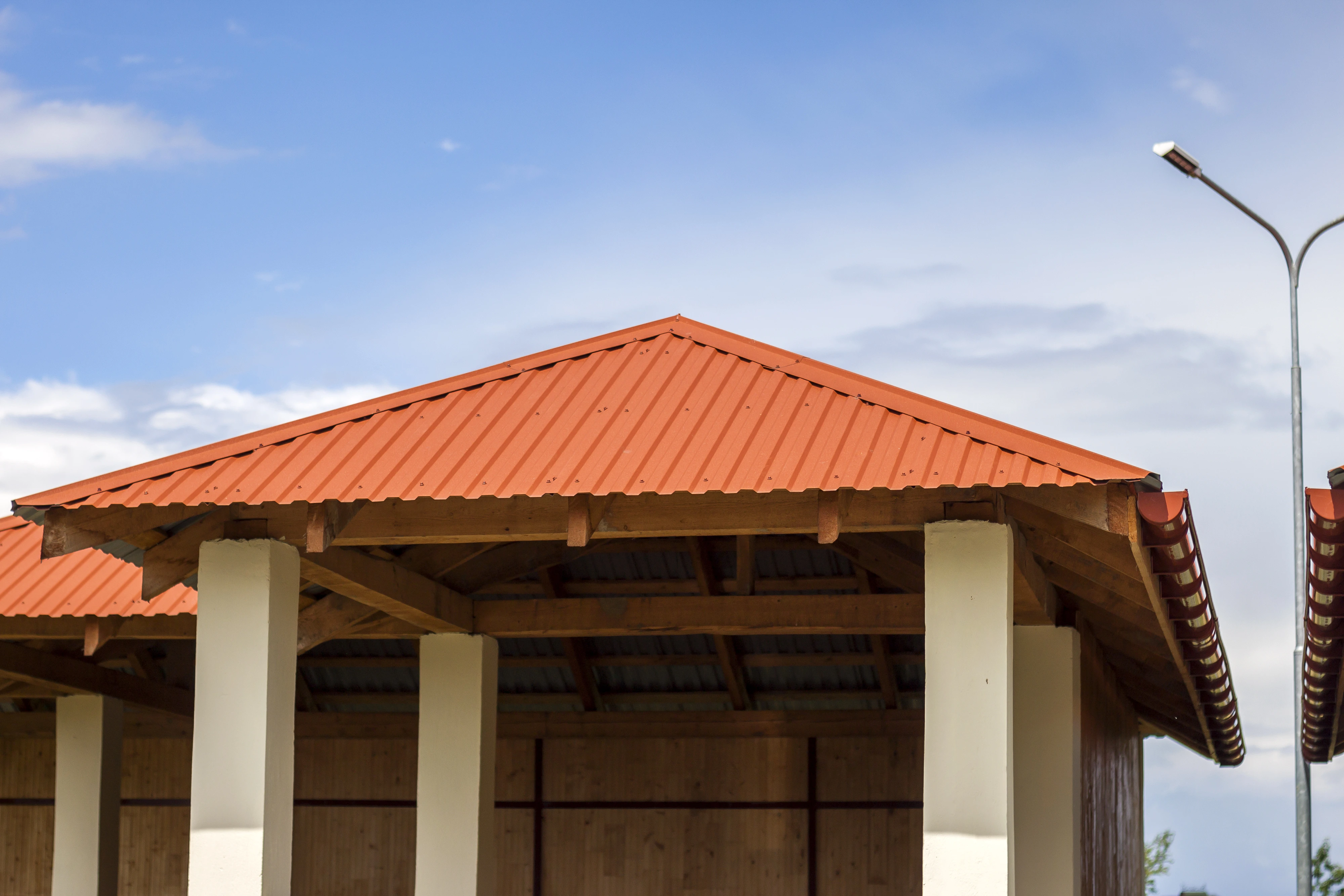
Roofing sheet price in India depends mainly on material, thickness, coating grade, and brand, which is why two roofs of the same size can cost noticeably different amounts. Roofing sheets have become the default choice for homes, warehouses, factories, and agricultural buildings across India because they install faster than concrete roofing, cost less upfront, and hold up well across the country’s varied climates, from coastal humidity to inland heat.
This guide covers the current roofing sheet price 2026 range by type, what actually drives roofing sheets cost per sq ft up or down, how metal roofing sheet price compares across GI, colour coated, PPGI, aluminium, and polycarbonate options, and how to pick the right sheet for a home, factory, shed, or commercial building without overspending or under-specifying for the job.
| Quick Answer
Roofing sheet prices in India generally range from about ₹40 to ₹200 per sq ft for material alone, depending on type, thickness, and coating. GI sheets sit at the affordable end for industrial and agricultural use, colour coated and PPGI sheets cost more for better appearance and longer life, aluminium suits coastal and corrosion-prone sites at a premium, and polycarbonate ranges widely depending on whether it’s a basic profile sheet or multiwall skylight-grade sheet. |
Current Roofing Sheet Price in India 2026 (Per Sq Ft)
Average roofing sheet prices per square foot vary by a wide margin because thickness, coating grade, and brand each move the number independently. The ranges below reflect material cost only, compiled from current wholesale and retail market listings across India; installation, supporting structure, and accessories are separate and covered later in this guide.
| Roofing Sheet Type | Approx. Price Range (per sq ft) | Best Use |
| GI Roofing Sheets | ₹45 – ₹90 | Industrial sheds, warehouses, agricultural buildings |
| Colour Coated Sheets | ₹55 – ₹110 | Homes and commercial buildings |
| PPGI Roofing Sheets | ₹60 – ₹120 | Modern residential and commercial buildings |
| Aluminium Roofing Sheets | ₹65 – ₹150 | Coastal areas and corrosion-prone sites |
| Polycarbonate Sheets | ₹40 – ₹200 | Skylights, sheds, and canopies |
| About These Figures
These are indicative market ranges as of the publish date above, not a fixed price list from Acier. Steel and aluminium are commodities, so prices move with raw material costs, and the figures above assume common thickness grades (roughly 0.35mm-0.50mm for steel sheets). Actual quotes depend on: |
- Location: freight and local dealer margins shift the price city to city
- Supplier: authorized brand dealers price differently than unbranded local fabricators
- Brand: established manufacturers such as JSW, Tata Bluescope, and Jindal typically price above unbranded sheets
- Quantity purchased: bulk orders bring wholesale rates that can run 20-40% below small retail purchases
For an exact, current figure for a specific project, a direct quote from a dealer is always more reliable than any published range, since it accounts for the day’s steel price and the project’s exact specification.
Different Types of Roofing Sheets and Their Prices
Choosing between roofing sheet types is really a decision about how much a buyer is willing to pay upfront in exchange for better appearance, longer life, or better suitability for a specific climate. This section covers where each type sits on cost; for a fuller technical comparison of materials, Acier’s guide to different roofing sheet types in India goes deeper.
1. GI Roofing Sheets
Galvanized iron sheets are steel coated with a zinc layer for corrosion resistance, and they sit at the affordable end of the roofing sheet price range. Good corrosion resistance and durability at a lower cost make them the standard choice for sheds, warehouses, and industrial buildings where appearance matters less than coverage area and budget. Most large-span industrial roofs in India still default to GI simply because the total area involved makes the per-sq-ft saving substantial across an entire building.
2. Colour Coated Roofing Sheets
Coated steel sheets add a painted finish over the base metal, which costs more than plain GI but delivers a noticeably better appearance, added weather resistance, and lower maintenance over the sheet’s life. This is the common choice for homes and commercial buildings where looks matter alongside protection. Acier’s piece on why colour coated sheets suit modern architecture covers the design side in more depth.
3. PPGI Roofing Sheets
Pre-painted galvanized iron sheets are, in practice, a specific grade of colour coated GI sheet, which is why the two categories overlap in the market and in pricing. PPGI generally sits at the upper end of the colour coated range because of a longer expected lifespan and a wider choice of colours, and it’s common in both residential and commercial projects. Buyers comparing quotes sometimes see “colour coated” and “PPGI” listed as if they were entirely different products, when in most cases the real difference is the specific coating grade and paint system used.
4. Aluminium Roofing Sheets
Aluminium’s lightweight nature and natural rust resistance make it the preferred choice near the coast, where salt-laden air corrodes steel sheets faster than inland. Pricing overlaps with steel in the lower thickness grades but climbs for heavier gauge or higher-purity aluminium, which is why coastal buyers weigh the premium against steel’s shorter realistic lifespan in that environment. Acier’s breakdown of aluminium roofing sheet types covers profile options in detail.
Factors Affecting Roofing Sheet Price in India
Five variables account for nearly all the price difference between the cheapest and most expensive roofing sheets on the market. Understanding each one makes it possible to read a quote and know exactly which line item is driving the total.
1. Roofing Sheet Material
Steel, aluminium, GI, and polycarbonate all start from different base material costs, and that alone explains much of the price spread before thickness or coating even enter the picture. Higher material quality, meaning fewer impurities and more consistent thickness, generally costs more but performs more predictably over the sheet’s life, which matters more on a large roof where one inconsistent batch is hard to spot until it fails.
2. Thickness of Roofing Sheet
Thickness is usually measured in millimetres or gauge, and it is one of the biggest single cost drivers on this list. Higher thickness means better structural strength and wind resistance, but every step up in thickness adds cost, so specifying more than a project actually needs is a common way buyers overspend. A structural engineer’s or experienced supplier’s recommendation for the specific span and wind-load conditions is worth more here than a generic rule of thumb.
3. Coating Quality
Zinc coating, colour coating, and anti-corrosion coating each add cost in exchange for a longer service life. A heavier zinc coating (higher GSM) resists corrosion longer than a light coating, and premium paint systems resist fading and chalking longer than standard polyester coatings, which matters most in harsh coastal or high-UV locations. Skimping on coating grade to save a small amount per square foot is one of the more common regrets buyers report a few years into ownership.
4. Roofing Sheet Brand
Reputed manufacturers price above unbranded alternatives, and that premium generally buys better quality control, warranty support, and more consistent performance sheet to sheet. JSW’s Colouron+ range, for instance, carries India’s only ISI-certified colour coated sheet claim according to JSW’s own materials, which is the kind of certification worth checking for on any brand under consideration. An authorized dealer is also more likely to honour a manufacturer’s warranty claim than an unbranded local supplier with no formal backing from the mill.
5. Market Demand & Raw Material Cost
Steel prices, transportation charges, and broader market fluctuations all move final roofing sheet pricing independently of anything a buyer controls. This is exactly why prices can shift meaningfully within a single quarter and why a quote from a few months ago may no longer be accurate. Buyers working to a fixed project timeline sometimes lock in pricing with a supplier ahead of a large order specifically to avoid this volatility.
Roofing Sheet Price Comparison Based on Application
The same GI or colour coated sheet can be the right choice for one building and the wrong choice for another, purely because the application changes what matters most. Matching the sheet to the use case first, then comparing prices within that narrower set, avoids paying for features a project doesn’t need or under-specifying for one that does.
Roofing Sheets for Homes
Homeowners typically weigh preferred materials, design options, weather protection, and aesthetic requirements together rather than optimising for lowest cost alone, since a roof is a highly visible part of the house. Colour coated and PPGI sheets dominate this segment precisely because the price premium over plain GI buys a finish that suits a residential street view.
Roofing Sheets for Industrial Buildings
Industrial buyers prioritise strength requirements, large-area coverage, and long-term durability, since the cost of re-roofing a large industrial shed dwarfs the price difference between sheet grades at the point of purchase. GI sheets remain the default here because the area involved makes even a small per-sq-ft saving add up quickly.
Roofing Sheets for Agricultural Sheds
Agricultural buyers generally favour budget-friendly options with easy installation and low ongoing maintenance, since the building’s economics depend on keeping construction cost per square foot low. Appearance rarely factors into this decision the way it does for homes or commercial frontages.
Roofing Sheets for Commercial Buildings
Commercial projects weigh appearance, performance, and energy efficiency together, since a colour coated or PPGI roof visible from the street contributes to the building’s overall presentation. Reflective coatings that reduce indoor heat gain are also a more common specification here than in purely industrial buildings, since they affect ongoing cooling costs.
Additional Costs Involved in Roofing Sheet Installation
The roofing sheet price per sq ft is only part of a real project budget, and buyers who plan only around the sheet cost are often surprised by the final invoice. These additional costs typically apply on top of material cost, and a supplier worth working with will itemise them clearly rather than folding them into a vague lump sum:
- Installation charges: labour cost scales with the complexity of the roof design, with simple pitched sheds costing less per sq ft to install than multi-slope or curved roof designs
- Supporting structure cost: steel frames, purlins, and roof supports need to be budgeted alongside the sheets themselves, particularly for larger spans
- Transportation charges: distance from the supplier to the site affects final delivered cost, especially for long sheet lengths that need specialised transport
- Accessories cost: screws, flashings, sealants, and gutters are a small line item individually but add up across a full roof
Asking a supplier for an itemised quote that separates these categories from the sheet cost itself makes it far easier to compare two quotes fairly, since one supplier’s “all-inclusive” number and another’s material-only number are not the same thing even when the sheet specification matches.
How to Choose the Right Roofing Sheet Within Your Budget
Budget matters, but the buyers who end up happiest with their choice generally work through these five points in order rather than starting with price and working backward.
1. Identify Your Requirement
Whether the building is a home, factory, shed, or commercial space changes which factors matter most, so this is worth settling before comparing prices. A requirement defined only as “cheapest roofing sheet” tends to produce a worse outcome than one defined by actual use case.
2. Consider Weather Conditions
Heavy rainfall areas, coastal regions, and hot climates each favour different material and coating choices, and the cheapest sheet for a dry inland climate may be the wrong choice on the coast, where salt exposure accelerates corrosion on anything less than a properly coated sheet.
3. Check Quality Certifications
Material standards, manufacturer reputation, and warranty terms are worth confirming before price, since a warranty is only as good as the manufacturer standing behind it. ISI certification and stated coating grades (GSM, AZ rating) are worth asking about directly rather than assuming they’re equivalent across brands.
4. Compare Multiple Suppliers
Comparing price, quality, and installation support across more than one supplier is the most reliable way to tell whether a quote is competitive or not. A single quote, however professional it looks, gives no basis for judging whether it’s fair.
5. Focus on Long-Term Value
The cheapest option upfront can increase maintenance costs and shorten replacement cycles, which usually costs more over the life of the roof than paying slightly more for a better-specified sheet at the outset. Thinner gauge, lighter coating, and unbranded sourcing are the three places buyers most often cut cost in ways that come back to cost them more later.
Roofing Sheet Maintenance Tips to Increase Lifespan
A roofing sheet’s realistic lifespan depends as much on upkeep as on the initial specification. None of these take long, and skipping them is usually what turns a 20-year sheet into a 12-year replacement job.
- Clean the roof surface regularly to remove dirt and salt deposits, particularly in coastal areas
- Check for rust formation at cut edges and fastener points
- Inspect screws and joints periodically and tighten or replace as needed
- Remove accumulated debris, especially around valleys and gutters
- Repaint coated sheets when the finish starts to chalk or fade
- Arrange a professional inspection after extreme weather events
For a full maintenance routine specific to Mangalore’s humid coastal climate, see Acier’s guide to cleaning steel roofing sheets.
Top Roofing Sheet Brands in India 2026
A small number of established manufacturers account for most of the branded roofing sheet market in India. JSW Steel’s Colouron+ range is positioned around ISI-certified colour coated sheets with Al-Zn coating for corrosion resistance. Jindal’s Sabrang range offers colour-coated Alu-Zinc galvanized sheets across multiple coating grades. Tata BlueScope’s Colorbond range is another established name in the pre-painted steel category. Reputation, warranty terms, and consistent coating quality are the main things that separate these brands from unbranded alternatives at a similar price point. Buyers researching best roofing sheets in India tend to narrow their choice down to two or three of these brands before comparing quotes.
For a deeper look at material selection across brands, see Acier’s guide to the best roofing sheet materials for modern Indian homes. As an authorized JSW and Jindal dealer, Acier can also confirm which specific coating grade and warranty terms apply to a given product line before purchase.
Final Thoughts: Is Investing in Quality Roofing Sheets Worth It?
Roofing sheet prices depend on material, quality, and application, not on a single number that applies across every project. Choosing durable sheets suited to the actual climate and use case tends to reduce future maintenance expenses by more than the upfront price difference, which is what makes comparing options before purchasing worth the time it takes. Choose the right roofing sheet based on your requirement, budget, and long-term durability needs, rather than the lowest price on the first quote received.
| Need a current quote for your project? Acier Roofing Solutions is an authorized JSW and Jindal roofing sheet dealer based in Mangalore. Call the sales team at +91 96112 36426 / +91 77609 09029, or the office at +91 89046 77040, or email info@acierroofing.com for a firm price based on your exact specification. |
Freqently Asked Questions
What is the average roofing sheet price in India per sq ft?
Material-only prices generally range from about ₹40 to ₹200 per sq ft depending on type, thickness, and coating, with GI sheets at the affordable end and premium aluminium or multiwall polycarbonate at the higher end. Installation and accessories are extra.
Which roofing sheet is cheapest in India?
Basic GI (galvanized iron) roofing sheets are typically the most affordable option for industrial and agricultural buildings, though thinner-gauge polycarbonate sheets can sometimes come in at a similar or lower price for small sheds and canopies.
Is aluminium roofing more expensive than steel?
It depends on thickness and grade. Thin aluminium sheets can price similarly to mid-range steel sheets, while heavier-gauge or higher-purity aluminium costs more. Aluminium’s main advantage is corrosion resistance in coastal or high-humidity locations, which can offset steel’s shorter realistic lifespan in those conditions.
What affects roofing sheet price the most?
Thickness (gauge) and coating grade are usually the two biggest factors, followed by brand and current steel or aluminium commodity prices. Location and order quantity also shift the final delivered price.
Do roofing sheet prices include installation?
No. The per-sq-ft prices typically quoted for roofing sheets cover material only. Installation labour, supporting structure (purlins, frames), transportation, and accessories like screws and flashings are separate costs.
About the Author
|
L K Monu Borkala is a digital marketing strategist with 20+ years of SEO experience and over 650 client campaigns across India and UAE. As a founding member of OneCity Technologies, Bangalore, he oversees content strategy, editorial compliance, and SEO frameworks across education, business services, and digital marketing verticals. LinkedIn: linkedin.com/in/monuborkala |